Being unsuitable for teeth whitening might sound final, but in some cases, a treatable issue may be standing between you and a brighter smile. In other cases, a different cosmetic treatment may be more suitable. Perhaps cold water makes one tooth sting, your gums bleed when you brush, or a front crown no longer matches the teeth beside it. These details matter because whitening gel changes the colour of natural tooth structure, but it does not repair decay, settle inflamed gums or lighten porcelain restorations. A dental assessment helps identify the cause of discolouration and shows whether professional teeth whitening suits your oral health, comfort and goals. Before you reach for a whitening kit, here are five signs that treatment may need to wait and what your dentist may recommend next.
TLDR
You may be unsuitable for teeth whitening if you have untreated decay, sore or bleeding gums, strong tooth sensitivity, or discolouration that is unlikely to respond well to bleaching. Crowns, veneers and other restorations do not necessarily prevent whitening, but they will not change colour and may need to be considered when planning treatment. This does not always mean whitening is permanently off the table. In many cases, your dentist can treat the underlying issue first, adjust the whitening approach or recommend another cosmetic option that better suits your smile. A dental assessment helps confirm what is causing the colour change, whether your teeth and gums are healthy enough for treatment and what result you can realistically expect. The safest first step is to have your oral health checked before using whitening products.
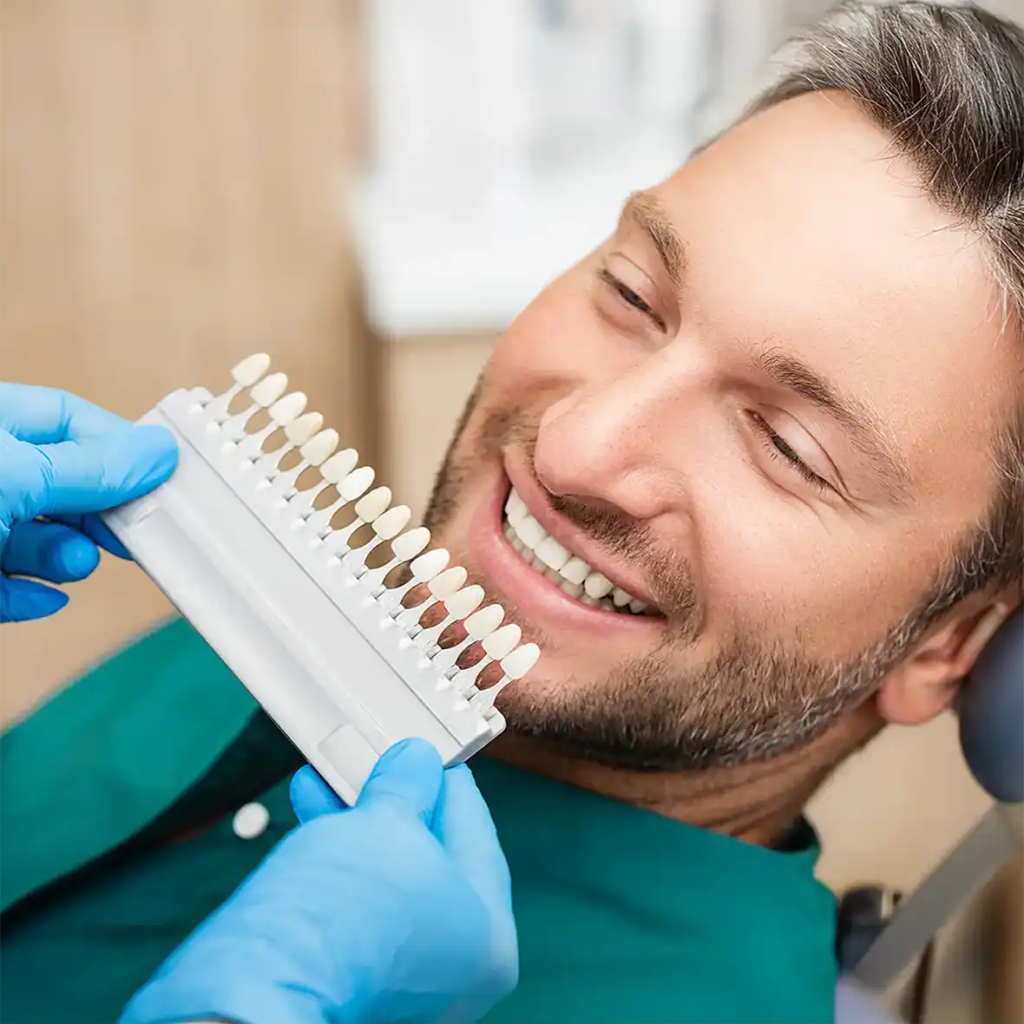
1. You Have Untreated Decay or Dental Pain
A cavity, cracked tooth, loose filling or unexplained ache can make you temporarily unsuitable for teeth whitening. Whitening gel moves through the outer layers of a tooth to break down colour compounds. When decay, a fracture or a leaking restoration has weakened the tooth, that process can cause sharp discomfort and irritate an already vulnerable area. Dental pain signals an underlying problem that needs assessment. Whitening changes tooth colour, but it does not treat decay, cracks or damaged fillings. Before cosmetic treatment begins, a dentist can examine your teeth and take any photographs or X-rays needed to identify hidden concerns. A dental check-up on the Gold Coast gives the Mermaid Smiles team an opportunity to find the cause of discomfort and explain whether whitening can safely follow treatment.
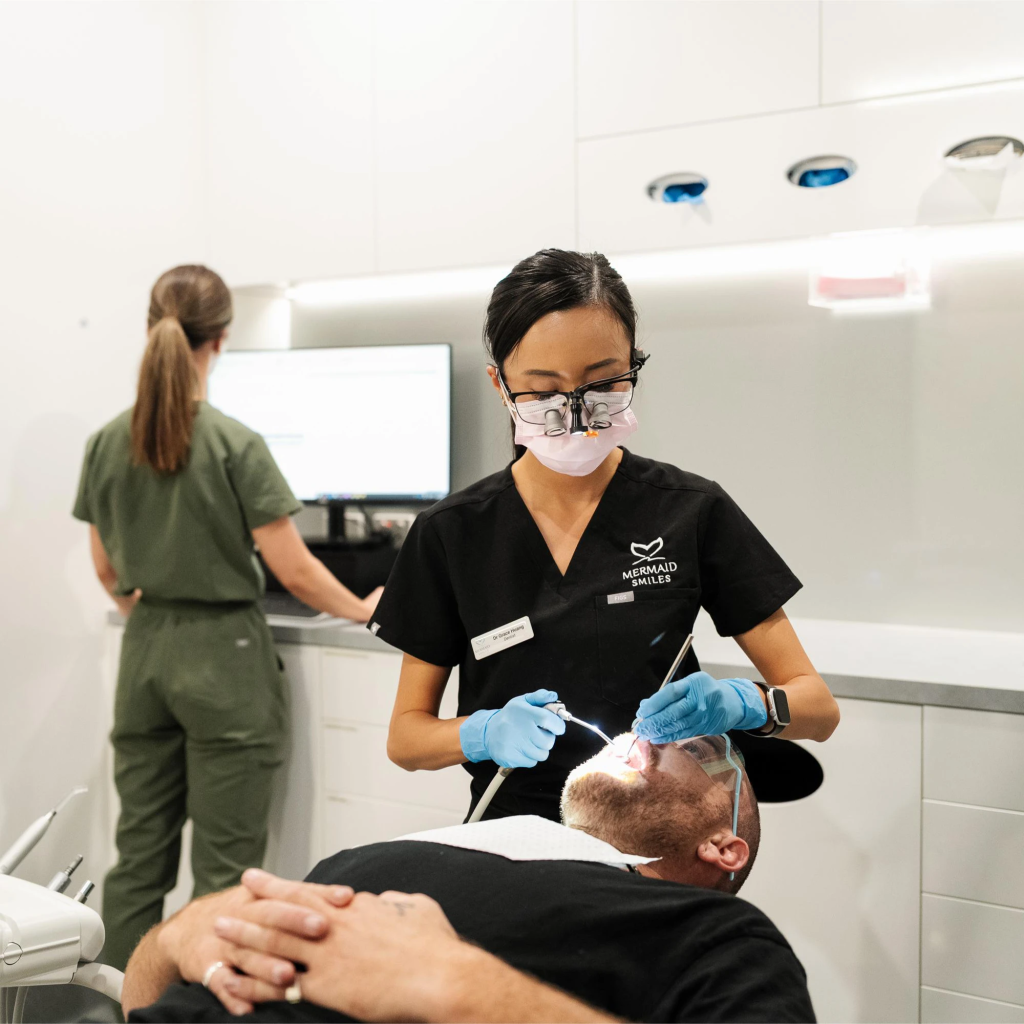
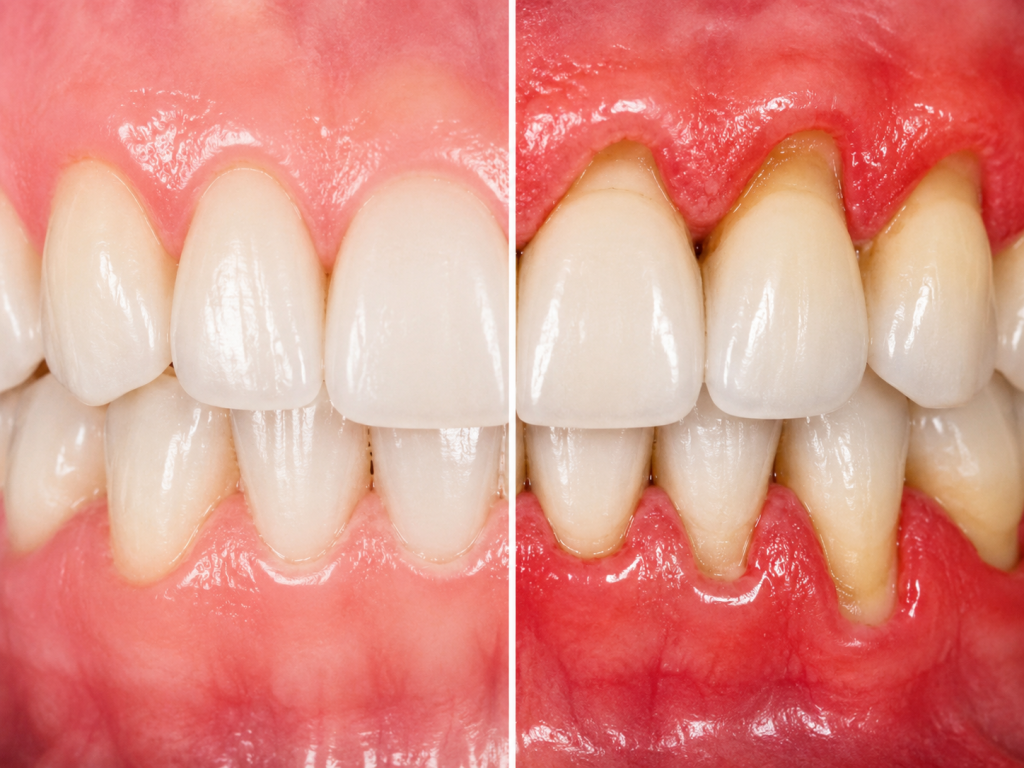
2. Your Gums Are Inflamed Bleeding or Receding
Red, swollen, tender or bleeding gums are another sign that you may be unsuitable for teeth whitening until your gum health improves. Whitening gel is more likely to irritate soft tissue when it touches inflamed gums or exposed areas created by gum recession. Recession can uncover part of the tooth root, which does not have the same enamel protection as the visible crown. That exposed surface can react strongly during whitening and may produce an uneven result near the gumline. Bleeding while brushing, persistent bad breath and gum tenderness deserve an assessment before another cosmetic product is used. Your dentist may recommend a professional clean, changes to home care or gum treatment first. Mermaid Smiles’ preventative dentistry services focus on protecting oral health and addressing problems before they become harder to manage.
3. You Already Experience Strong Tooth Sensitivity
Existing tooth sensitivity needs attention before whitening begins. When cold water, sweet food or even cool air causes a sudden sting, you may be unsuitable for teeth whitening until the cause is understood. Sensitivity can develop from enamel wear, gum recession, cracks, decay, exposed dentine or brushing habits that place too much pressure near the gumline. Stronger whitening products and longer application times increase the risk of discomfort without guaranteeing a better result. A dentist can look at when the pain occurs, which teeth are affected and whether another condition is driving it. Treatment may involve managing the underlying problem, using a desensitising product or choosing a gentler whitening plan. A suitable approach protects your comfort and oral health instead of asking you to tolerate unnecessary pain for a cosmetic result.

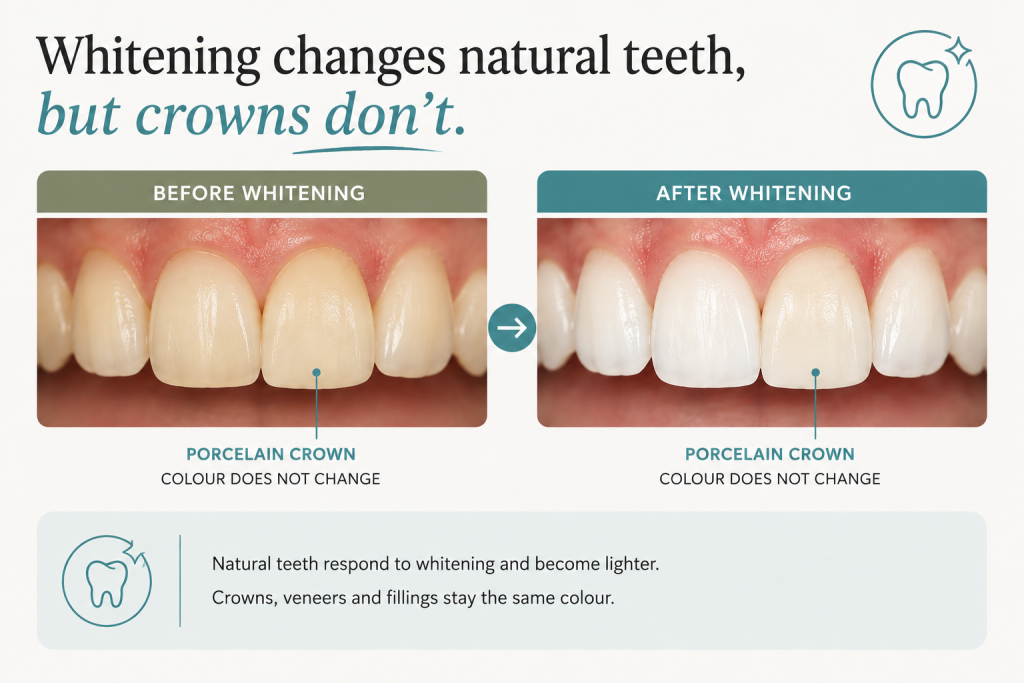
4. You Have Crowns Veneers or Large Fillings
Whitening gel changes the shade of natural teeth, but it does not lighten porcelain crowns, veneers, composite bonding or tooth-coloured fillings in the same way. You may still qualify for whitening, although the result can create a visible colour difference between natural teeth and existing dental work. Imagine a crown on a front tooth that currently blends into your smile. Once the neighbouring teeth become lighter, the crown may appear darker even though the restoration itself has not changed. Large fillings can create a similar contrast. Your dentist may recommend whitening before replacing a visible restoration so the new material matches the final shade. Where whitening will not create a balanced result, another cosmetic treatment may suit your goals better. Mermaid Smiles provides several cosmetic dentistry options on the Gold Coast for concerns involving colour, shape and existing dental work.
5. Your Discolouration May Not Respond Well to Bleaching
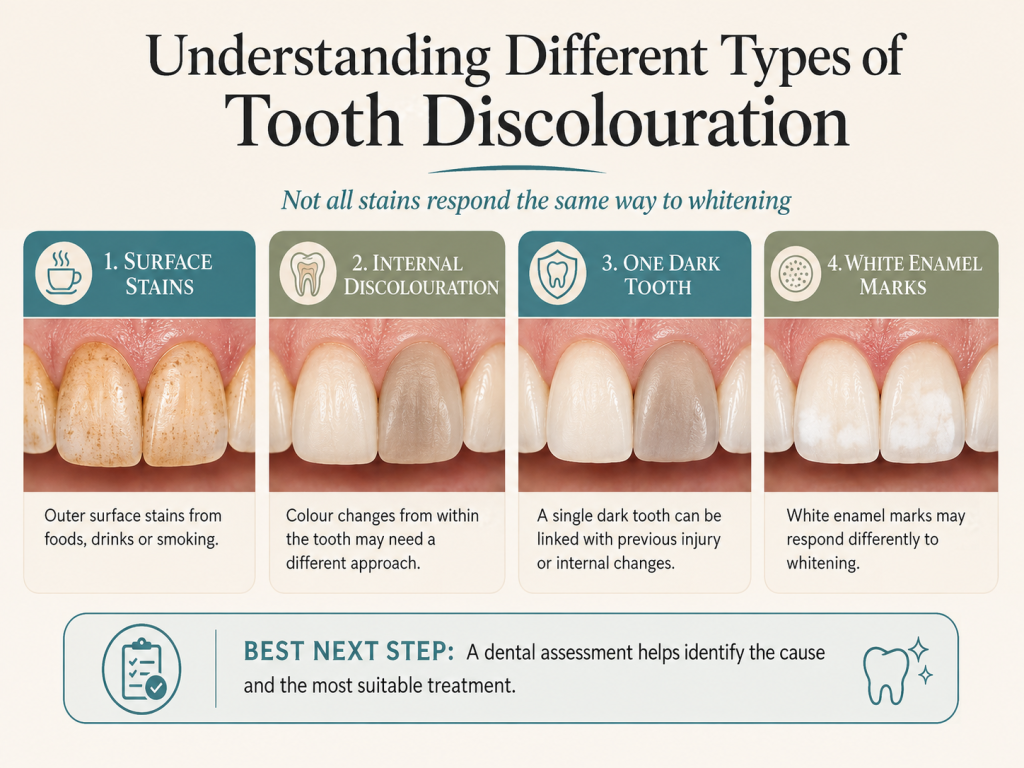
Some dark, grey, white or patchy areas respond poorly to professional teeth whitening. Surface staining from coffee, tea, red wine or smoking behaves differently from colour changes caused by trauma, medication, enamel development or ageing. One dark tooth can point to an old injury or a change inside the tooth. White enamel marks can temporarily look more noticeable after whitening when the surrounding tooth shade changes at a different rate. These forms of discolouration require a tailored treatment plan and may not respond to whitening alone. A dentist can examine whether the colour sits on the surface, within the enamel or deeper inside the tooth, then explain the expected outcome. Depending on the cause, suitable options may include targeted whitening, edge bonding, veneers, restorative care or monitoring when no treatment is needed.
What Happens During a Teeth Whitening Assessment
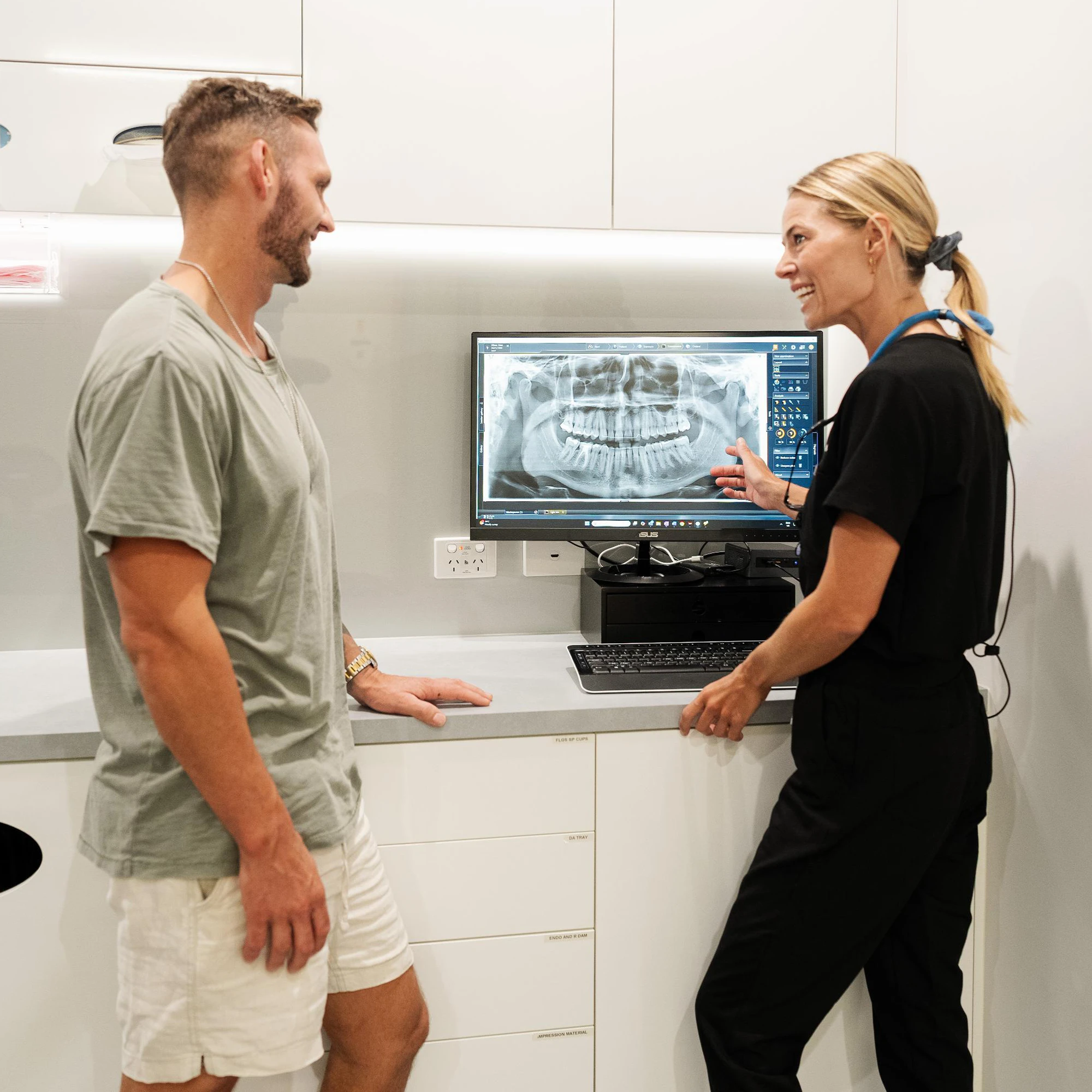
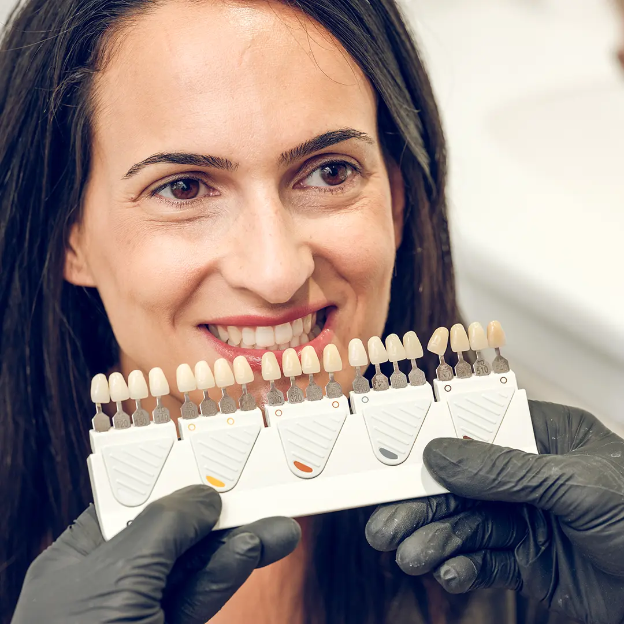
A whitening assessment should feel clear and unhurried. Your dentist will ask what concerns you about your tooth colour, what result you want and whether you have used whitening products before. The examination covers your gums, enamel, fillings, crowns and sensitive areas, along with signs of decay or damaged dental work. Your starting shade and the pattern of discolouration also guide the recommendation. When whitening is suitable, your dentist will explain the available options, expected limitations, sensitivity risks and aftercare requirements. The Dental Board of Australia guidance on teeth whitening outlines professional responsibilities for practitioners who use or supply whitening products. Mermaid Smiles offers teeth whitening in Mermaid Beach as part of a personalised cosmetic plan, rather than treating whitening as an automatic answer for every patient.

Book a Calm and Personalised Whitening Assessment
When you think you may be unsuitable for teeth whitening, you do not need to assess the situation alone or use a product before understanding the health of your teeth and gums. Mermaid Smiles can review your oral health, existing dental work, sensitivity and type of discolouration before explaining the available options. The practice is located in Mermaid Beach and provides general and cosmetic dental care for Gold Coast patients, with an emphasis on clear explanations and patient comfort. You can review the clinic’s teeth whitening treatment information, current dental pricing and new patient information before your visit. Book a consultation to find out whether whitening is suitable for your smile and whether any treatment or preparation is recommended first. Call (07) 5629 7817 or request an appointment online to have your teeth and gums assessed. You can also begin with an online cosmetic consultation by submitting photos and answering a few questions.
This article provides general information and does not replace personalised dental advice.
Frequently Asked Questions About Teeth Whitening Suitability
Can Sensitive Teeth Be Whitened?
Sensitive teeth do not automatically rule out whitening, but the cause of the sensitivity needs to be understood first. A dentist can check for enamel wear, gum recession, decay, cracks or exposed dentine before recommending treatment. Where whitening is suitable, the plan may involve a lower-strength product, shorter application times or a desensitising product before and during treatment. Strong or unexplained pain should not be ignored because whitening can increase discomfort when an underlying dental problem is present. The aim is to protect your teeth while still working towards a brighter smile, rather than asking you to tolerate unnecessary pain. A clinical examination gives your dentist a clearer basis for explaining what treatment is expected to achieve and how your comfort can be protected.
Can You Whiten Teeth With Crowns Veneers or Fillings?
You can whiten natural teeth when you have crowns, veneers or fillings, but those restorations will not lighten in the same way. This can leave a visible colour difference, especially when the dental work is near the front of your smile. Your dentist may recommend whitening first and replacing a visible restoration afterwards so it matches the final tooth shade. In other cases, whitening may not be the most suitable option. Planning the treatment order before you begin helps avoid an uneven result and gives you a clearer idea of the likely cost, timing and cosmetic outcome. It also prevents surprises when a crown or veneer that once blended well starts to look darker beside newly whitened natural teeth.
What Types of Tooth Stains Respond Best to Whitening?
Surface stains caused by coffee, tea, red wine or smoking often respond more predictably than colour changes caused by trauma, medication or enamel development. A single dark tooth, grey discolouration or white enamel marks may need a different approach because the colour can come from deeper inside the tooth. A dentist can examine the stain pattern and explain whether standard whitening, targeted whitening or another cosmetic treatment is more suitable. This assessment also helps set realistic expectations, so you understand how much improvement is likely before committing to treatment. Clear expectations matter because a brighter smile does not always mean every tooth will reach the same shade, particularly when several causes of discolouration are present.
Should I Have a Dental Check-Up Before Whitening?
Yes, a dental check-up is an important step before whitening, particularly when you have pain, sensitivity, bleeding gums or existing dental work. The examination allows your dentist to identify decay, gum problems, cracks and restorations that could affect treatment. It also helps confirm whether the discolouration is likely to respond to bleaching. Treating active dental issues first reduces avoidable discomfort and supports a more even result. Your dentist can then recommend a whitening option that suits your oral health, treatment goals and comfort level. This appointment is also a good time to ask about expected costs, how long results may last and what habits can affect the final shade.