Does your mouth feel sticky when you wake up, or do you keep reaching for water while talking? Occasional dryness can happen, but a mouth that regularly feels dry deserves attention, especially when eating or speaking becomes uncomfortable.
Dry mouth can have several causes. Understanding the pattern helps your dentist consider what may be contributing and how to protect your teeth while you seek relief.
At Mermaid Smiles, our dental checkups include personalised advice about your oral health. These seven questions can help you prepare for a conversation about dryness and the changes you have noticed.
TLDR
Persistent dry mouth can affect comfort and increase tooth decay risk. Possible causes include medicines, dehydration and mouth breathing. Water and suitable products may ease symptoms, but ongoing dryness needs assessment. Keep brushing with fluoride toothpaste, and never stop prescribed medicine without medical advice.

1. What does dry mouth feel like?
Dry mouth can feel sticky or uncomfortable, with thick saliva, cracked lips or a dry throat. Some people notice changes in taste or find it harder to chew, swallow or speak comfortably.
The term xerostomia describes the feeling of a dry mouth. According to the Australian Dental Association’s dry mouth guidance, that feeling does not always mean the saliva glands are failing to work properly. The symptom needs to be considered alongside your health history and an examination.
Try to describe the experience in everyday terms. Does food stick to your mouth? Do you need water to finish a conversation? Is the dryness mainly present after waking, or does it continue throughout the day? These observations are more useful than trying to diagnose the cause yourself.
Write down when the symptoms began and whether they are changing. You can also note any soreness or difficulty wearing dentures. Bring those details to your appointment, even if the mouth happens to feel more comfortable on the day.
A short record can help you explain the pattern without having to remember everything in the dental chair. It is a starting point for discussion, rather than a test you need to complete perfectly.
2. Why might my mouth keep feeling dry?
Possible contributors include dehydration, some medicines, breathing through your mouth at night and certain medical conditions. More than one factor may be involved, so persistent dryness should not automatically be put down to needing another glass of water.
The NHS guide to dry mouth includes mouth breathing during sleep, anxiety and medicines among the possible causes. A blocked nose or sleeping with your mouth open may be relevant when symptoms are most noticeable in the morning.
Tell your dentist about any recent changes in your health or routine. For example, you might have started a medicine around the same time the dryness appeared. That timing is useful information, although it does not establish the cause by itself.
The National Institute of Dental and Craniofacial Research also identifies some health conditions and cancer treatments as possible contributors. If you have had treatment involving the head or neck, include this in your history.
Your dentist may recommend speaking with your GP or another treating clinician if the pattern suggests a medical issue needs review. The aim is to understand what is happening and coordinate appropriate care, rather than assume every dry mouth has the same explanation.
3. Could my medicines be contributing?
Yes, some prescribed and non-prescription medicines can contribute to dryness. Bring an up-to-date list to your appointment, and speak with your doctor or pharmacist before changing any dose or stopping treatment.
Include supplements and medicines you take occasionally, as well as those you use every day. If you are unsure of a product’s name, bring its packaging or a clear photograph. This helps your treating professionals review the actual products involved.
Healthdirect’s dry mouth information explains that managing the underlying cause is important and warns against changing medicine doses without first talking to your doctor. Relief measures and a medication review may both be relevant, depending on your circumstances.
You can ask your pharmacist whether dryness is a recognised side effect and whether any products you already use could be adding to the discomfort. The clinician responsible for prescribing the medicine can assess whether an alternative or adjustment is appropriate.
Sometimes a medicine remains necessary even when it contributes to dry mouth. In that situation, a dental prevention plan can still help you care for your teeth and manage symptoms. The conversation should account for your overall health as well as your mouth.
4. Does dry mouth put my teeth at greater risk?
Persistent dryness can increase the risk of tooth decay because saliva helps protect the mouth. A prevention plan matters even when you are still brushing regularly and have not noticed a painful tooth.
Saliva helps moisten food and clear food particles. It also contains minerals that help protect teeth. When there is not enough saliva to keep the mouth comfortable, those protective functions may be reduced.
The Better Health Channel’s dry mouth guidance explains that people with dry mouth are more prone to decay, including around exposed root surfaces. Your dentist can assess your individual risk rather than rely on symptoms alone.
Keep brushing morning and night with fluoride toothpaste and clean between your teeth daily. Ask whether you need a different fluoride product or additional preventive care. Higher strength toothpaste should be selected with professional advice about suitability and use.
Avoid relying on sugary drinks or lollies to keep your mouth feeling moist. They can add another challenge for teeth that already need extra protection. Water is a more suitable everyday option.
Our preventative dentistry care focuses on advice tailored to your needs. If dryness changes your decay risk, we can discuss how your home care and review schedule may need to change with it.
5. What can help my mouth feel more comfortable?
Water, suitable sugar-free gum and products designed for dry mouth may help with comfort. Choose measures that suit your health and symptoms, while arranging assessment if dryness keeps returning.
The Australian Dental Association suggests water with meals and moistening dry foods with sauces. Sugar-free gum can stimulate saliva, but it may be unsuitable if you have jaw pain or a jaw problem. Ask for advice if chewing makes you uncomfortable.
A pharmacist or dentist can explain saliva replacement gels or sprays and help you select a suitable product. The NHS notes that products are not suitable for everyone, so check the ingredients and directions rather than assuming any mouthwash will help.
Alcohol, tobacco and large amounts of caffeinated drinks can make dryness worse. You may also find that spicy or salty foods sting an already uncomfortable mouth. Mention these patterns when discussing what to change.
Treat each measure as support for comfort, rather than proof that the cause has been resolved. If you need repeated applications of a product to get through the day, include that information in your review.
Keep track of what helps and what irritates. This can make the next conversation more specific and reduce the chance of continuing with products that do not suit you.
6. When should I book a dental or medical review?
Arrange a review when dryness persists, keeps returning or affects eating, talking or your comfort. Contact a health professional sooner if your mouth is painful, swollen or sore, or if swallowing is becoming difficult.
The NHS recommends medical review for ongoing dryness that does not improve with home or pharmacy measures, particularly when it interferes with eating or comes with other symptoms. Tell your GP if you also notice dry eyes or other changes in your health.
You do not need to wait until your next routine dental visit to raise a new concern. Let the team know what is happening when you contact us so we can discuss an appropriate appointment. Describe difficulty eating or drinking clearly when seeking advice.
A dentist can assess oral health concerns, while your GP can investigate possible medical contributors. You may need input from both. A dental check does not replace a medical review when other symptoms or your health history indicate one is needed.
If you are uncertain about where to start, explain the symptoms to your dentist, GP or pharmacist. They can advise on the next step based on the information you provide. Avoid trying to identify a particular disease from dryness alone.

7. What might happen at my appointment?
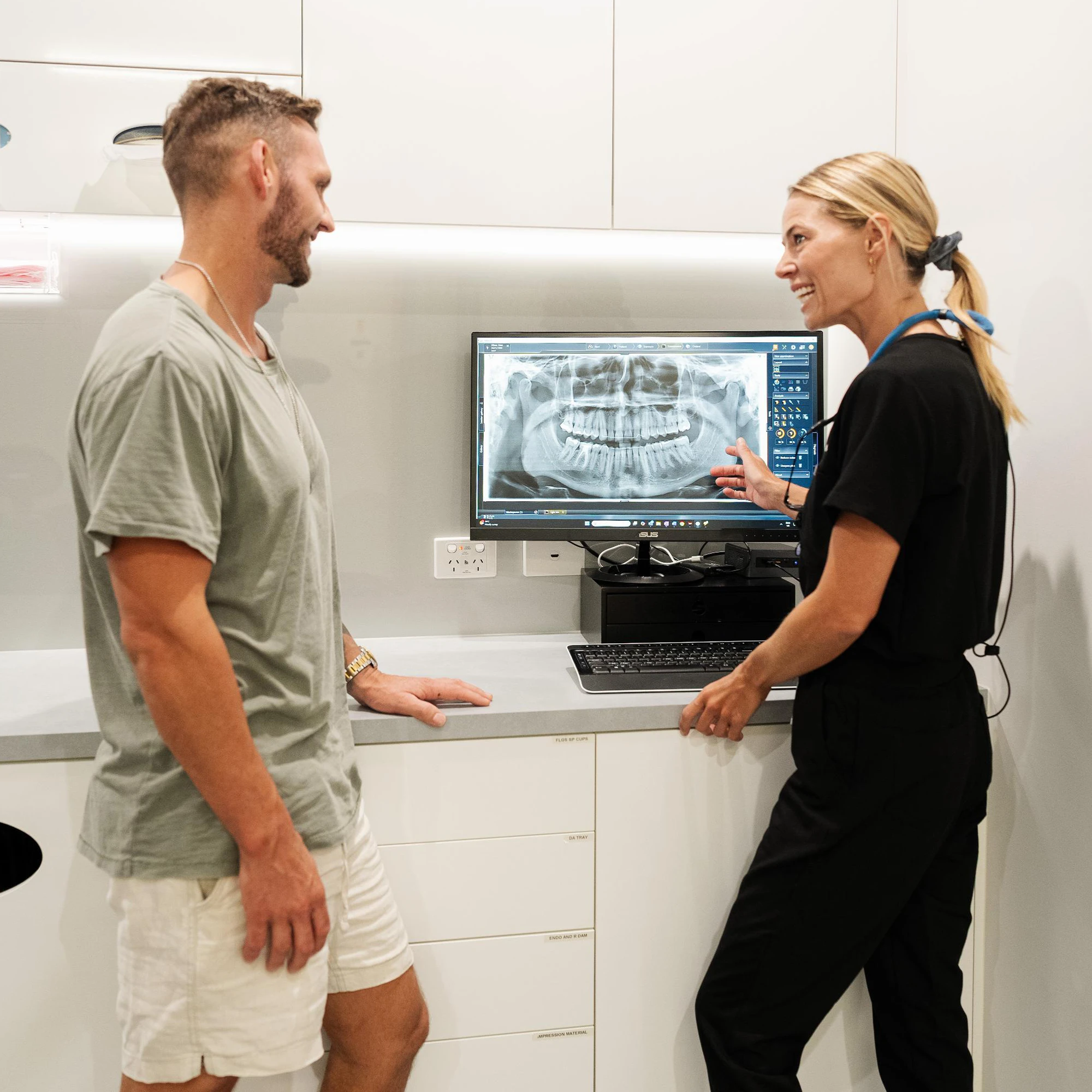
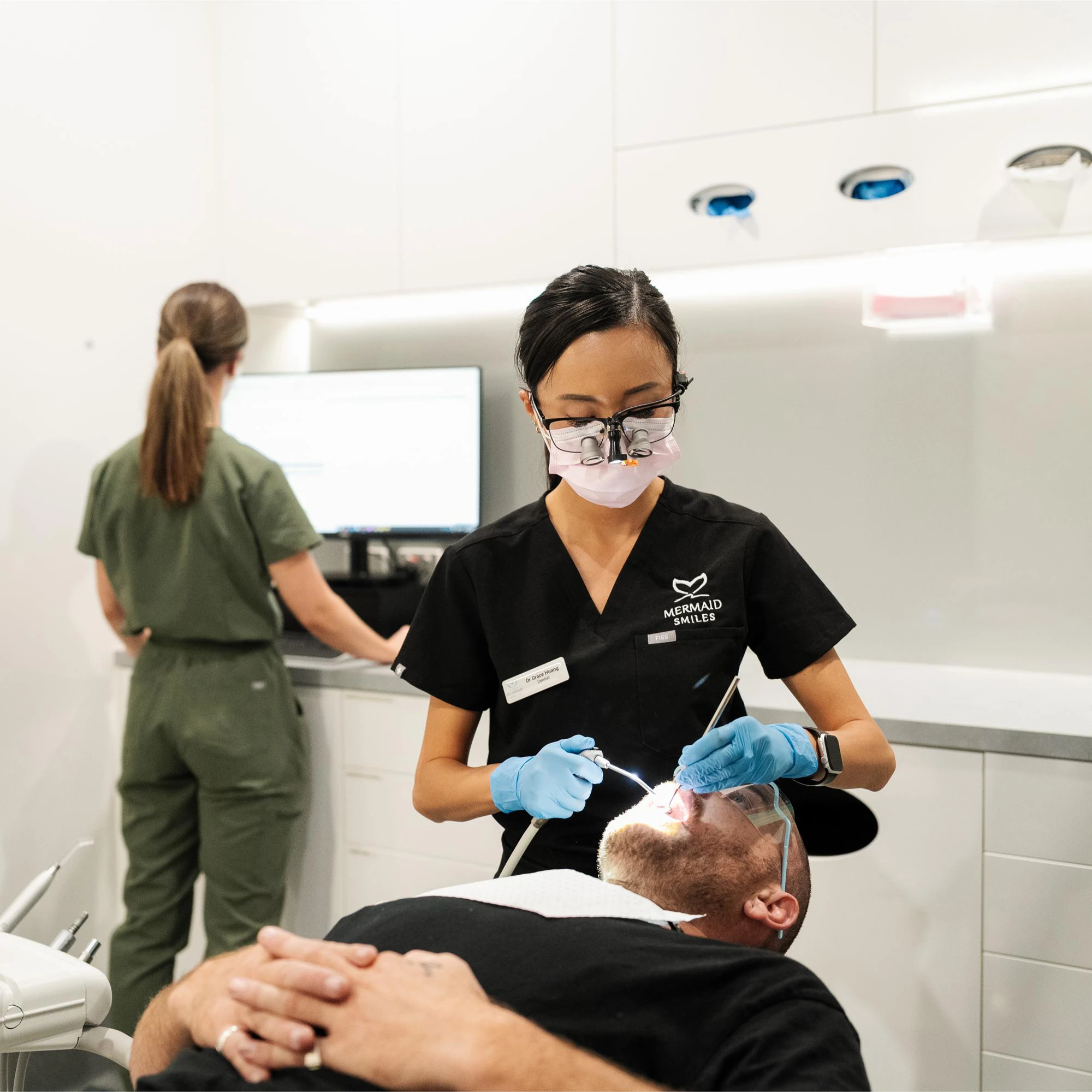
Your dentist will discuss your symptoms and health history, review relevant medicines and examine your mouth. Depending on the findings, you may need tailored prevention advice, further assessment or a referral to your GP or another clinician.
The Better Health Channel describes medical history review and saliva assessment among the approaches used to investigate dry mouth. The tests or referrals appropriate for you depend on the examination and the suspected contributors. Not everyone needs the same investigations.
Bring your medicine list and any notes about timing, food discomfort or products you have tried. Tell us what matters most to you, whether that is sleeping more comfortably or being able to speak without repeatedly stopping for water.
Ask what the recommended plan is intended to achieve. Some measures aim to ease symptoms, while others focus on preventing decay or investigating a possible cause. Understanding the purpose makes it easier to follow the advice and recognise when to return.
At Mermaid Smiles, we aim to make dental visits feel calm and supportive. Let us know if you are anxious about an examination or would like something explained before we begin. You can ask questions throughout the appointment.
Talk to us about ongoing dryness
Dry mouth deserves a conversation when it becomes part of everyday life. You do not need to arrive knowing the cause or having chosen a treatment. A description of what you are experiencing is enough to begin.
Contact Mermaid Smiles to discuss an appointment at our Mermaid Beach practice. We can assess your oral health, discuss preventive care and advise when medical input may also be appropriate.