Wisdom tooth pain can strike without warning and quickly become unbearable. If you’re dealing with it right now, you’re probably searching for fast relief.
While there are home remedies that can help manage the discomfort temporarily, persistent wisdom tooth pain always means there’s an underlying problem that needs professional treatment. Let’s explore what you can do for immediate relief and when you need to see a dentist.
Important Disclaimer: The home remedies in this article provide temporary pain relief for minor discomfort only. Persistent wisdom tooth pain always indicates an underlying problem requiring professional dental assessment. If your pain lasts more than 2-3 days or you notice any warning signs mentioned below, contact a dentist immediately.
Quick Takeaways
- Salt water rinses and cold compresses provide fast, temporary relief
- Over-the-counter pain medication (ibuprofen and paracetamol) can help manage discomfort
- Fever, severe swelling, pus, or difficulty swallowing are emergency signs requiring immediate professional care
- Home remedies provide temporary relief but don’t fix the underlying problem
- Persistent pain lasting more than 2-3 days needs professional treatment
- Emergency consultations available at Mermaid Smiles
Understanding Your Wisdom Tooth Pain
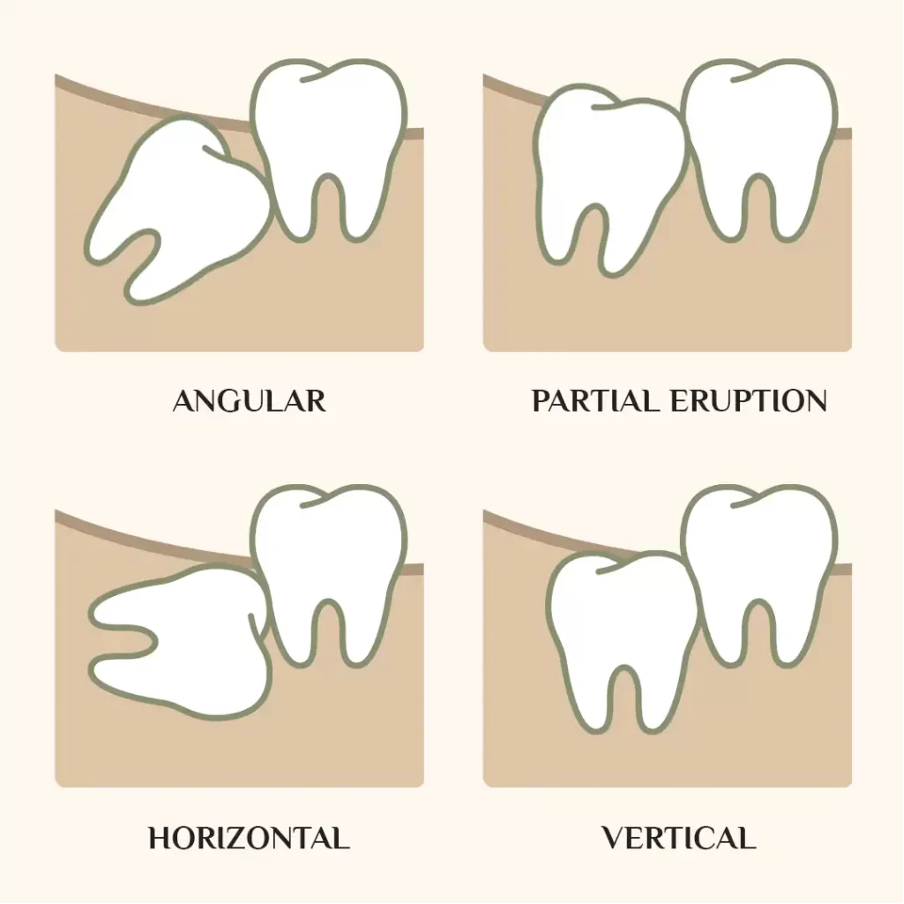
When it comes to wisdom teeth, there’s no sure way to know whether they’ll cause you problems or not. Wisdom teeth are the last molars to emerge, typically appearing between ages 17 and 25. Because they come through last, there’s often not enough space left in your jaw for them to grow properly, which is when the trouble starts.
Eruption Pressure
This is what you feel as the tooth pushes through your gum tissue. Think of it like teething pain, just more intense because wisdom teeth are much larger. The surrounding gum tissue becomes inflamed and tender as the tooth breaks through.
Pericoronitis (Gum Flap Infection)
This might sound complicated, but it simply means inflammation around a partially erupted wisdom tooth. When a wisdom tooth only partly emerges, a flap of gum tissue can cover part of the tooth. Food particles and bacteria get trapped under this flap, causing infection and inflammation. This is one of the most common causes of wisdom tooth gum pain, and it can become quite severe if left untreated.
Impacted Wisdom Teeth
This occurs when your tooth grows at an angle, pushing against the tooth next to it or growing sideways into your jaw. An impacted wisdom tooth can cause constant, dull pain that gets worse over time. The pressure on surrounding teeth and nerves creates discomfort throughout your jaw.
Infection or Abscess
This develops when bacteria enter the tooth through decay or the gum tissue around it. Wisdom tooth infection symptoms include severe pain, swelling, fever, and sometimes a foul taste in your mouth. An infected wisdom tooth is a dental emergency that requires immediate professional treatment.
Reality check: While understanding what’s causing your pain helps, none of these conditions will resolve with home care alone. Pain is your body’s way of telling you something needs professional attention.
Wisdom Tooth Pain Relief Methods You Can Try at Home

We thought we’d share some methods that can provide temporary relief while you arrange to see a dentist. These work best for minor discomfort and aren’t substitutes for professional treatment, but they can help you get through until your appointment.
Salt Water Rinse
This is one of the most effective immediate remedies for wisdom tooth pain relief. Salt has natural antibacterial properties and helps reduce inflammation in the gum tissue. Mix one teaspoon of salt into a glass of warm (not hot) water. Swish the solution around your mouth for 30 seconds, making sure it reaches the painful area, then spit it out. Repeat this every few hours, especially after meals. The salt water helps clean away food particles and reduces bacteria around the painful tooth.
Cold Compress
A cold compress helps reduce wisdom tooth gum swollen tissue and numbs the pain temporarily. Wrap ice cubes or a frozen gel pack in a clean tea towel and hold it against your cheek over the painful area for 15 minutes. Take a 15-minute break, then repeat if needed. The cold constricts blood vessels, which reduces swelling and inflammation. Never apply ice directly to your skin or use heat on wisdom tooth pain, as heat can make inflammation and infection worse.
Over-the-Counter Pain Relief
This offers the most effective temporary pain management. Taking ibuprofen combined with paracetamol can provide better pain relief than either medication alone, according to Healthdirect Australia. Always follow the instructions on the packet and don’t exceed the recommended daily limits. If you’re unsure which pain relief is right for you, ask your pharmacist for advice.
Elevation When Sleeping
This can reduce the throbbing pain that often gets worse at night. When you lie flat, blood rushes to your head, increasing pressure and inflammation around the painful tooth. Prop yourself up with extra pillows so your head is elevated above your heart. This reduces blood flow to the area and can make the pain more manageable. Some people find sleeping in a recliner more comfortable during wisdom tooth pain.
Key reminder: These methods provide temporary relief for minor discomfort. If you’re using these remedies for more than 2-3 days without improvement, or if your pain is severe, you need to see a dentist. Persistent pain means there’s a problem that requires professional treatment.
What NOT to Do for Wisdom Tooth Pain

Just as important as knowing what helps is understanding what can make things worse. Here’s what to avoid when you’re dealing with wisdom tooth pain.
Don’t Apply Heat
While heat might seem soothing, it actually increases blood flow to the area, which makes inflammation and swelling worse. Heat can also encourage bacterial growth if you have an infection. Always use cold compresses, never heat.
Don’t Ignore Infection Signs
If you notice swelling, fever, pus, or a foul taste, these are serious warning signs requiring immediate professional care. Home remedies won’t treat an infection.
Don’t Smoke
Smoking slows healing, increases infection risk, and makes pain worse. If you’re dealing with wisdom tooth problems, avoiding cigarettes will help, and it’s absolutely essential if you end up needing extraction.
Don’t Use Aspirin Topically
Some people put aspirin directly on their gums, thinking it will numb the pain. This doesn’t work and can actually burn your gum tissue, making things worse.
Don’t Delay Booking an Appointment
The longer you wait, the more complex your problem may become. Early treatment is almost always simpler, faster, and less expensive than waiting until you’re in agony.
Warning Signs That Mean You Need Urgent Care

While home remedies can manage minor discomfort temporarily, certain symptoms indicate a serious problem requiring immediate professional attention. Please don’t ignore these warning signs.
Severe, Constant Pain
Pain that doesn’t improve with over-the-counter medication means something more serious is happening. If pain relief tablets barely touch the pain, or if the pain keeps you awake at night despite medication, you need to see a dentist as soon as possible. This level of pain often indicates infection, severe impaction, or nerve involvement that requires urgent dental care.
Fever
This is your body’s response to infection. If your temperature reaches 38°C or higher alongside your tooth pain, you likely have an infection that requires antibiotics. Don’t wait for a fever to resolve on its own. Dental infections can spread to other parts of your body if left untreated.
Swelling Getting Worse
Some mild puffiness around an erupting wisdom tooth is normal, but if the swelling extends beyond the immediate tooth area, affects your cheek, or spreads towards your neck or under your jaw, this is an emergency. Severe swelling can compromise your airway. Wisdom tooth gum swollen that continues to worsen despite cold compresses and pain relief needs immediate professional assessment.
Difficulty Breathing or Swallowing
This means the infection or swelling has progressed dangerously. This is a medical emergency. Go to a hospital emergency department immediately if you experience this alongside wisdom tooth pain. Don’t wait to call a dentist first.
Pus or Foul Taste
This indicates an active infection. You might notice a sudden foul taste, especially when you bite down or touch the area. You might see yellowish or whitish discharge around the tooth. These wisdom tooth infection symptoms require antibiotics and professional treatment. Infections don’t resolve with home care alone.
Jaw Stiffness (Trismus)
This makes it difficult to open your mouth normally. Jaw stiffness happens when infection or inflammation affects the jaw muscles. If you can’t open your mouth more than a finger’s width, or if opening your mouth causes sharp pain, you need immediate dental care.
Pain Lasting 2-3+ Days
Pain without improvement means home remedies aren’t working because there’s an underlying problem requiring treatment. Persistent wisdom tooth pain relief isn’t something you can achieve at home if the pain continues beyond a few days. The longer you wait, the more complicated treatment may become.
If you’re experiencing severe pain, fever, swelling, pus, or jaw stiffness, contact Mermaid Smiles immediately on (07) 5629 7817. We offer emergency consultations and can usually see urgent cases on the same day or within 24 hours.
What to Expect at Your Emergency Consultation

Many people delay seeing a dentist because they’re unsure what will happen or they’re anxious about the visit. Understanding the process can help ease those concerns.
When you arrive for your emergency consultation at Mermaid Smiles, one of our experienced dentists will first examine the painful area and ask about your symptoms. They’ll want to know when the pain started, what makes it better or worse, and whether you’ve noticed any other symptoms like swelling or fever.
Your dentist will take X-rays or use 3D imaging to see exactly what’s happening beneath the gum line. This shows whether your wisdom tooth is impacted, how it’s positioned, and whether there’s infection in the surrounding bone or tissue. This imaging is painless and takes only a few minutes.
Your dentist will then explain what’s causing your pain and discuss treatment options. This might include professional cleaning of the area, antibiotics if there’s infection, or wisdom teeth removal if the tooth is impacted or repeatedly causing problems.
If extraction is recommended, your dentist will discuss sedation options to make the procedure comfortable. Mermaid Smiles offers both Happy Gas (lighter sedation where you can drive home afterwards) and Twilight Sedation (deeper sedation with an anaesthetist present, requiring someone to drive you home). Many patients are relieved to learn that modern sedation dentistry makes the procedure far more comfortable than they expected.
Most importantly, you’ll receive immediate pain relief at your appointment. Your dentist can provide stronger pain medication, treat any infection, and address the source of your pain rather than just masking symptoms.
Don’t Wait for Your Wisdom Tooth Pain to Become Unbearable
The reality about wisdom tooth pain is straightforward: if your wisdom tooth hurts, there’s a reason. Home remedies like salt water rinses, cold compresses, and pain medication can help you manage discomfort temporarily, but they don’t fix the underlying problem.
Many people try to push through the pain, hoping it will eventually go away on its own. Sometimes the pain does ease temporarily, but this doesn’t mean the problem has resolved. More often, the issue gradually worsens, and what could have been a straightforward procedure becomes more complex.
You should book a consultation if:
- Your pain has lasted more than 2-3 days
- Pain medication provides only temporary relief
- You notice any swelling, redness, or pus around the tooth
- The pain disrupts your sleep, work, or daily activities
- You develop a fever or feel generally unwell
- Food constantly gets stuck around the tooth
- You’ve had repeated episodes of pain in the same wisdom tooth
Early treatment is almost always simpler, more comfortable, and more affordable than waiting until you’re in crisis. A small problem addressed early with a simple dental checkup might only require antibiotics and improved cleaning techniques. The same problem left for months might require more complex surgical extraction.
Mermaid Smiles understands that wisdom tooth pain can strike at any time. That’s why we offer late evening appointments and emergency consultations. We can usually see emergency cases on the same day or within 24 hours.
Our team uses the latest 3D imaging technology to accurately assess your wisdom teeth, and we offer both Happy Gas and Twilight Sedation options for patients who feel anxious about dental procedures. We provide transparent upfront quotes and process health fund claims on the spot through HICAPS. We also offer flexible payment options including interest-free plans to make treatment more affordable.
Don’t spend another day in pain. Call Mermaid Smiles on (07) 5629 7817 to book your emergency consultation.
Frequently Asked Questions
How long does wisdom tooth pain last?
Minor discomfort from a wisdom tooth erupting normally might last 3-4 days. However, pain from an impacted tooth, infection, or other complications won’t resolve on its own and will continue until you receive professional treatment. If your pain lasts more than a few days or keeps returning, book a dental appointment rather than continuing to manage it with home remedies.
Can wisdom tooth pain go away on its own?
Minor eruption discomfort might ease once the tooth fully emerges, but if your wisdom tooth is impacted, infected, or causing other problems, the pain won’t resolve without professional treatment. Pain that comes and goes repeatedly indicates an ongoing problem that needs attention.
Why is wisdom tooth pain worse at night?
When you lie flat, blood rushes to your head, increasing pressure and inflammation around the painful tooth. This makes the throbbing sensation more intense. Additionally, you have fewer distractions at night, so you’re more aware of the pain. Propping yourself up with extra pillows can help reduce nighttime discomfort.
How do I know if my wisdom tooth is infected?
Wisdom tooth infection symptoms include severe pain, swelling that extends beyond the immediate tooth area, fever, a foul taste in your mouth, pus or discharge around the tooth, difficulty opening your mouth, and swollen lymph nodes in your neck. If you notice any of these signs, contact a dentist immediately. Infections require antibiotics and professional treatment.
Should I go to emergency for wisdom tooth pain?
Go to a hospital emergency department if you experience difficulty breathing or swallowing, severe facial swelling, extremely high fever, or if you can’t reach your dentist and you’re in severe pain. For most wisdom tooth pain, contact your dentist for an emergency appointment rather than going to hospital. Dental practices like Mermaid Smiles offer emergency consultations for urgent dental problems.
Can I wait to have my wisdom tooth removed?
If your dentist recommends removal, delaying the procedure typically makes things worse. The tooth won’t improve on its own, and you’ll likely experience repeated episodes of pain and possibly infection. Younger patients generally heal faster from wisdom teeth removal, making it beneficial to address the problem sooner rather than later.
What’s the fastest way to stop wisdom tooth pain?
For immediate wisdom tooth pain relief, take over-the-counter pain medication (ibuprofen and paracetamol work well together), use a cold compress on your cheek, and rinse with warm salt water. However, these methods only provide temporary relief. The fastest way to permanently stop wisdom tooth pain is to see a dentist who can address the underlying cause, whether that’s infection, impaction, or another issue.
Disclaimer: This article is for general information purposes only and is not intended as a substitute for professional medical advice. If you’re experiencing wisdom tooth pain, please consult with a qualified dentist for proper diagnosis and treatment.