
Gum health can change quietly. You might notice bleeding when you brush, bad breath that keeps coming back, tenderness, swelling or a rough feeling around your teeth.
These signs are often linked to plaque and tartar building up around the gumline. A regular scale and clean helps remove the buildup that brushing cannot reach, supporting healthier gums, fresher breath and a cleaner mouth.
This guide explains what a scale and clean does, why gum inflammation matters, and what research suggests about links between oral bacteria and general health. It also explains where the evidence is still developing, especially when discussing Alzheimer’s disease, heart disease, diabetes and some cancers.
This article is general information only and does not replace medical advice. If you have concerns about heart disease, diabetes, memory changes or cancer risk, speak with your GP or specialist.
TLDR
A scale and clean removes plaque and hardened tartar from teeth and around the gumline. This helps reduce gum inflammation, bleeding, bad breath and the risk of gum disease becoming more serious.
Research has found links between gum disease and general health conditions such as heart disease, diabetes, cognitive decline and some cancers. These links are usually associations, not proof that gum disease directly causes these conditions.
The practical takeaway is simple. Healthy gums reduce a common source of inflammation and infection in the mouth. Regular dental cleans, daily brushing, cleaning between the teeth and personalised advice from your dentist all help keep gum inflammation under control.
Medical note
This article focuses on oral health and dental prevention. It does not diagnose or assess your personal risk of heart disease, diabetes, dementia or cancer. Please speak with your GP or specialist for advice about your overall health.
The signs that usually prompt people to book
People book a check up and clean for many reasons. Common signs include:
- gums bleeding when brushing or flossing
- swollen, tender or red gums
- bad breath that returns quickly
- a fuzzy feeling on teeth even after brushing
- staining from coffee, tea, red wine or smoking
- new sensitivity near the gumline
- a previous diagnosis of gum disease
- a health condition such as diabetes that makes oral health maintenance more important
Bleeding gums are a warning sign worth acting on early. It is information, and it is worth acting on early. The Australian Dental Association describes bleeding gums as a warning sign that should not be ignored.

What we commonly see during check ups
Many patients book because their gums have started bleeding, their breath does not feel fresh for long, or they have noticed staining and build up around the gumline.
In many cases, the issue becomes easier to manage once we assess the gums, remove hardened deposits and show the patient which areas need more attention at home.

What causes gum inflammation and why it tends to linger
Your mouth naturally contains bacteria. That is normal. Problems start when bacteria settle into a sticky film called plaque.
If plaque is not removed thoroughly, it hardens into calculus, also called tartar. Once calculus forms, brushing and flossing cannot remove it properly, especially along the gumline and between teeth. This is why gum inflammation often continues even when someone has started brushing more carefully.
Gingivitis vs periodontitis and why the difference matters
Gingivitis is inflammation of the gums. Common signs include bleeding, puffiness and redness. It is often reversible with professional cleaning plus consistent home care.
Periodontitis is more advanced gum disease. It occurs when the supporting fibres and bone around teeth begin to break down. This needs closer monitoring and ongoing maintenance. Queensland Health notes that professional cleaning can remove calculus from teeth and root surfaces as part of gum disease care.
Only a dental exam can confirm which one you have.

What happens in a scale and clean
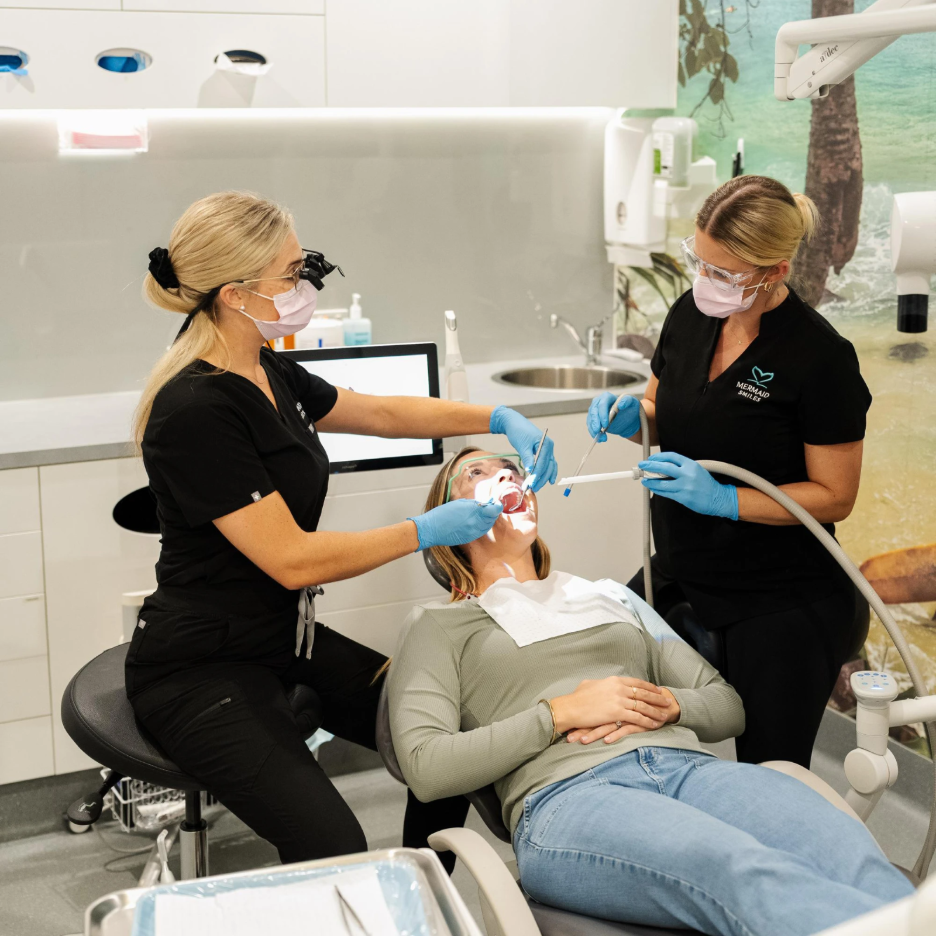
A scale and clean removes plaque and calculus from teeth and around the gumline. A typical appointment includes the following steps.
Gum and tooth assessment
Your dentist checks for signs of inflammation and bleeding, gum recession and areas that trap plaque easily.
In many cases, we also measure gum pockets. These are the spaces between the tooth and gum. Deeper pockets hold more bacteria and need closer monitoring.
The scale
Scaling removes hardened deposits above the gumline and, where needed, gently under the gumline. This is the part you cannot replicate at home once tartar has formed.
Polish and finishing touches
Polishing removes surface staining and smooths the tooth surface. A smoother surface makes plaque less likely to stick immediately after treatment.
Personalised home care advice
This is often where people get the biggest long term improvement. Your dentist or hygienist can show you which areas are being missed, which tools suit your teeth and how to clean around areas that trap plaque.
The best toothbrush, floss or interdental brush is the one you will use consistently and correctly.
What a scale and clean can and cannot do
This section matters because it is easy to overstate the mouth body connection.
A scale and clean can:
- remove plaque and tartar build up
- calm gum inflammation and bleeding over time
- help prevent gingivitis from progressing to more serious gum disease
- support fresher breath and easier daily cleaning
- reduce the bacterial load around the gumline
A scale and clean cannot:
- diagnose or treat heart disease, diabetes, Alzheimer’s disease or cancer
- guarantee that you will not develop those conditions
- replace medical care, medications or advice from your GP or specialist
The most accurate takeaway is this. Healthy gums reduce a common source of chronic inflammation and infection in the body. That is worthwhile, even before considering the broader health research.
Why gum inflammation matters
The general health discussion starts at the gumline.
When gums are inflamed, they bleed more easily, form deeper pockets where bacteria thrive and stay irritated for months or years if nothing changes.
Because gums have a rich blood supply, inflammation and bacteria in the mouth can interact with the rest of the body. This is why gum disease has been studied alongside conditions such as cardiovascular disease and diabetes. Researchers have also explored associations with cognitive decline and some cancers.
A key phrase you will see in good quality research summaries is associated with. That wording is deliberate. Association does not prove cause. It means the two things occur together more often than expected, and researchers are still working out the reasons.

Oral bacteria and your general health
Researchers usually discuss three possible pathways.
Bacteria and bacterial toxins entering the bloodstream
Inflamed gums bleed more easily. This creates an opportunity for bacteria and inflammatory molecules to enter the bloodstream, particularly in people with active gum disease.
Chronic inflammation
Chronic gum inflammation adds to the body’s inflammatory burden. Inflammation is a normal immune response. The concern is inflammation that continues over time without being managed.
Shared risk factors
Many conditions share risk factors that also increase gum disease risk. These include smoking, high sugar intake, stress, certain medications and barriers to regular healthcare.
This is one reason cause and effect can be difficult to prove. The relationship between oral health and general health often involves several factors at once.
Heart disease and gum disease
Research has found associations between gum disease and cardiovascular disease, including coronary artery disease. Proposed explanations include inflammation, immune response changes and the detection of oral bacteria in arterial plaque in some studies. The Heart Foundation discusses ongoing research into the link between gum disease and cardiovascular disease.
For someone deciding whether to book a clean, the practical takeaway is simple.
If you have gum inflammation, it is worth managing.
If you have heart risk factors, reducing avoidable sources of inflammation is sensible.
A clean is not a heart treatment. It is part of maintaining healthier gums and reducing oral inflammation.
If you have a heart condition or take blood thinners
Tell your dentist. This helps us plan safe care, especially if you have had heart surgery, a stent, or you take medication that affects bleeding.
Diabetes and gum health
The diabetes and gum disease link is one of the strongest and most widely discussed in dentistry.
Diabetes makes it harder to fight infections, including gum infections, and slows healing. Gum disease can also make blood sugar harder to manage because inflammation affects insulin sensitivity. Diabetes Australia identifies periodontitis as a recognised oral complication linked with diabetes.
This creates a cycle. Higher blood sugar worsens gum outcomes, and gum inflammation can complicate diabetes management.
Practical takeaways if you live with diabetes
If you live with diabetes, your dental maintenance plan should be worked out with your dentist or hygienist based on what is happening in your mouth, not just a standard six monthly reminder. Your gum measurements, bleeding levels, medical history, medications and home care routine all matter. Regular cleans and gum checks are still important, but if your gums bleed often or your diabetes has been harder to manage, it may be better to book sooner and ask whether more frequent maintenance visits are needed.
Alzheimer’s disease and oral bacteria
Some research has found associations between periodontal disease and cognitive decline. Researchers have also explored whether oral bacteria or inflammatory byproducts contribute to inflammation in the brain. A systematic review on periodontal disease and Alzheimer’s disease found that the topic continues to be studied, but the evidence needs careful interpretation.
Alzheimer’s disease is complex. Risk factors include genetics, cardiovascular health, sleep, metabolic factors and ageing processes. An association between gum disease and cognitive decline does not prove that gum disease causes Alzheimer’s.
A sensible takeaway is this.
Gum disease is a chronic inflammatory condition.
Reducing chronic inflammation and bacterial load supports better oral health.
Regular dental care remains a practical preventive habit while research continues.
If you have memory concerns or a family history of dementia, speak with your GP. It is also worth being proactive with modifiable health factors, including oral health, sleep, cardiovascular health and diabetes management where relevant.
Mouth bacteria and cancer
You may see headlines suggesting oral bacteria are linked to cancer. Most research in this area discusses association, often involving digestive tract cancers and chronic inflammation. A review on the gum gut axis discusses evidence linking periodontitis and oral bacteria with digestive tract cancers, while treating this as an area of ongoing research.
Important caveats:
Gum disease does not mean you will develop cancer.
A dental clean does not prevent cancer.
Chronic inflammation and infection are being studied as part of a broader risk picture across multiple diseases.
The practical value of this research is not fear. It is a reminder that gum disease should not be ignored for years.

How often should you get a scale and clean
There is no single schedule that fits everyone.
Many people do well with cleans every six months. Others need more frequent maintenance, especially if they have:
- a history of gum disease
- diabetes
- a smoking or vaping history
- dry mouth
- orthodontic appliances
- difficulty cleaning between teeth
- ongoing bleeding or deep gum pockets
Your dentist should recommend a schedule based on what they see clinically, not a one size fits all rule.
What you can do at home to make the benefits last
A scale and clean gives your gums and teeth a reset. Your home care determines how long the result lasts.
A realistic routine for most adults includes:
- brushing twice daily with a soft toothbrush
- cleaning between teeth once daily with floss or interdental brushes
- focusing on the gumline, not only the biting surface
- replacing your toothbrush head regularly
- managing dry mouth, because it increases decay risk
One common mistake is brushing harder to fix bleeding. Bleeding usually reflects inflammation, not a lack of force. Overbrushing can contribute to gum recession and sensitivity.
A simple improvement for many adults is to add interdental brushes in the spaces that allow them. They are often easier than floss and work well when matched to the right spaces.

Book a scale and clean at Mermaid Smiles on the Gold Coast
If you are based around Mermaid Beach or the wider Gold Coast, a regular scale and clean at Mermaid Smiles can help you stay on top of your gum health before small problems become harder to manage.
During your appointment, our dental team will check your teeth and gums, remove plaque and hardened tartar, polish away surface staining and give you practical advice for keeping your gums healthier between visits. If your gums are bleeding, your breath does not stay fresh for long, or it has been a while since your last clean, we can assess what is happening and recommend the right next step.
Mermaid Smiles makes it easier to stay on top of your dental care with same day appointments available, interest free payment plan options and check up and clean visits delivered in a calm, welcoming setting. Your dentist will check your teeth, gums and overall oral health, then recommend a maintenance plan based on what your mouth actually needs.
Ready to book your check up and clean? Contact Mermaid Smiles today to arrange an appointment and get clear advice based on what we see clinically.
FAQs
Is a check up and clean the same as a scale and clean?
People often use the terms interchangeably. A check up and clean usually includes an examination plus cleaning. A scale and clean focuses on removing plaque and hardened tartar from teeth and around the gumline. What you need depends on your gum health.
Why do my gums bleed after a clean?
If your gums were already inflamed, they can feel tender and bleed a little during or shortly after a clean. That does not mean harm was done. It usually means inflammation was present. If bleeding continues for more than a few days, or you have swelling or pain, contact the clinic.
Does a scale and clean whiten teeth?
A scale and clean removes surface staining from things like coffee, tea, red wine and smoking. This can make teeth look brighter, but it does not change the natural colour of the tooth like professional whitening.
I have not had a clean in years. Will it hurt?
Everyone is different. If you have active inflammation or heavy build up, treatment can feel more sensitive. Let the team know if you are anxious. A good clinic will pace the appointment, offer breaks and talk you through comfort options.
Can gum disease affect diabetes?
There is evidence of a two way relationship. Diabetes worsens gum outcomes, and gum inflammation can make blood sugar harder to manage in some people. If you have diabetes, regular cleans are a sensible part of preventive care.
Can a scale and clean prevent heart disease?
No. A scale and clean does not prevent or treat heart disease. It removes plaque and tartar, helps reduce gum inflammation and supports better oral health. If you have heart risk factors, managing gum inflammation is one practical step alongside medical care, diet, exercise, medication and advice from your GP or specialist.
Can gum disease cause Alzheimer’s disease?
Current research has found associations between periodontal disease and cognitive decline, but this does not prove that gum disease causes Alzheimer’s disease. Alzheimer’s is complex and has many risk factors. Keeping gums healthy is still a sensible preventive habit because gum disease is a chronic inflammatory condition.
Can mouth bacteria cause cancer?
Research has explored links between oral bacteria, chronic inflammation and some cancers, especially digestive tract cancers. This does not mean gum disease causes cancer, and it does not mean a dental clean prevents cancer. The research reinforces that long term gum inflammation should not be ignored.
How often should I book a scale and clean?
Many people do well with a clean every six months. Some people need more frequent maintenance, especially if they have gum disease, diabetes, dry mouth, smoking or vaping history, orthodontic appliances, ongoing bleeding or deeper gum pockets. Your dentist should recommend a schedule based on your gums, not a fixed rule.
What happens if I leave bleeding gums untreated?
Bleeding gums often mean inflammation is present. If plaque and tartar continue to build up, gingivitis can progress into more serious gum disease. This can lead to deeper gum pockets, gum recession, bone loss and loose teeth. Early care is usually simpler than waiting until the problem becomes more advanced.
Can brushing harder fix bleeding gums?
No. Brushing harder can irritate the gums and contribute to gum recession or sensitivity. Bleeding usually reflects inflammation, not a lack of force. A soft toothbrush, gentle technique and daily cleaning between the teeth are more effective.
What should I do if my gums bleed every time I brush?
Book a dental check up and clean. Your dentist can check whether the bleeding is caused by plaque, tartar, gum disease, brushing technique, medication, dry mouth or another factor. Persistent bleeding should not be ignored.
Are interdental brushes better than floss?
It depends on the spaces between your teeth. Interdental brushes work well for many adults, especially where the spaces are large enough. Floss can be better for tight contacts. Your dental team can show you which option suits each area of your mouth.
Can a scale and clean help bad breath?
Yes, when bad breath is linked to plaque, tartar or gum inflammation. A scale and clean removes build up around the teeth and gumline, which can reduce odour causing bacteria. If bad breath continues, your dentist may check for gum disease, decay, dry mouth, tongue coating or other causes.